
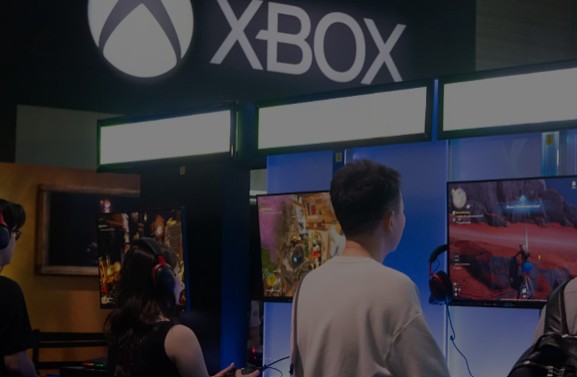
Young attendees enjoy playing Xbox games at the Xbox booth during the opening day of Gamescom 2025 in Cologne, Germany, on Aug. 20, 2025.
Introduction
In 2026, Microsoft announced another round of price increases for its Xbox Series X and Series S consoles, continuing a trend that began in previous years. The company confirmed that starting August 1, several models will become significantly more expensive, with increases ranging from $100 to $150 depending on storage capacity.
This is not the first time Xbox prices have gone up. Earlier adjustments in 2025 already raised console prices by $20 to $70, and the latest update adds another layer of cost pressure for consumers.
Microsoft explained that the main reason behind these increases is the rising cost of key components, especially memory and storage chips. These chips are now in higher demand due to the rapid expansion of artificial intelligence data centers around the world.
As a result, the entire consumer electronics industry is facing supply challenges that are directly affecting gaming hardware pricing.
Why Microsoft Xbox Price Increases Matter for Gamers in 2026
The repeated price increases matter because they signal a long-term shift in gaming hardware affordability. Consoles have traditionally been considered relatively stable in pricing, especially after launch. However, the Xbox Series X and S are now showing multiple price jumps within the same product cycle.
For example, the Xbox Series X has increased by more than 60% compared to its original launch price in 2020. Even the more affordable Series S model has seen significant increases across multiple revisions.
This creates a challenge for families, casual gamers, and younger users who often rely on consoles as a more affordable gaming option compared to high-end PCs.
A common mistake is assuming console prices remain stable after launch. In reality, global supply chain pressures can change pricing even years after release.
Experts in consumer electronics note that this is one of the first console generations where post-launch price increases have become a recurring pattern rather than a rare exception.
How AI Chip Demand Is Driving Higher Xbox Console Prices
The main driver behind these Xbox price increases is the global shortage of memory and storage components. These parts are essential not only for gaming consoles but also for AI data centers, which are currently expanding at a massive scale.
Companies like Nvidia and other AI infrastructure providers are purchasing large volumes of memory chips for AI training systems. This reduces available supply for consumer electronics manufacturers, including Microsoft.
As a result, the cost of DRAM and storage has risen sharply, in some cases more than doubling over a short period. Microsoft has stated that console storage and memory prices have increased by more than 2.5 times and may continue rising in the future.
A useful comparison is that AI systems are now competing directly with gaming consoles for the same core hardware components.
One overlooked detail is that even large companies like Microsoft cannot fully absorb these increases without passing some costs to consumers.
This shows how deeply AI infrastructure growth is affecting everyday consumer products beyond just computers and smartphones.
Best Market Trends and Outlook for Xbox and Gaming Consoles in 2026
One major trend in 2026 is “hardware inflation driven by AI demand.” This is affecting not only gaming consoles but also PCs, smartphones, and tablets.
Another trend is repeated mid-lifecycle price adjustments. Unlike previous console generations where prices gradually decreased, current models are experiencing upward price pressure due to ongoing supply shortages.
A comparison shows that earlier console cycles focused on cost reduction over time, while the current cycle is shaped by component scarcity and rising production costs.
A lesser-known insight is that long-term supply agreements between AI companies and chip manufacturers are locking in high demand, leaving fewer flexible supplies for gaming hardware production.
Looking ahead, analysts expect continued volatility in gaming hardware prices, especially if AI infrastructure expansion continues at its current pace.
Frequently Asked Questions
Why did Microsoft raise Xbox prices again?
Microsoft raised prices due to increased costs of memory and storage components driven by AI data center demand.
Which Xbox models are affected?
Xbox Series X and Series S models with different storage capacities are affected, with increases ranging from $100 to $150.
Is this the first Xbox price increase?
No, previous increases occurred in 2025, making this a continuation of a broader pricing trend.
Will Xbox prices continue to rise?
Analysts suggest prices may remain volatile as long as AI-related chip demand continues to grow.
Final Thoughts
Microsoft’s decision to raise Xbox prices again in 2026 highlights a major shift in the global electronics industry. Gaming consoles, once known for stable pricing, are now directly affected by the same supply chain pressures driving AI expansion.
The rising cost of memory and storage chips is reshaping how hardware is priced across multiple industries, from gaming to computing.
For consumers, this means that timing purchases and understanding market cycles is becoming increasingly important. What used to be a predictable product category is now influenced by global technology demand in ways that were not seen in earlier console generations.
As AI continues to grow, its impact on everyday entertainment technology like Xbox will likely become even more noticeable in the years ahead.