
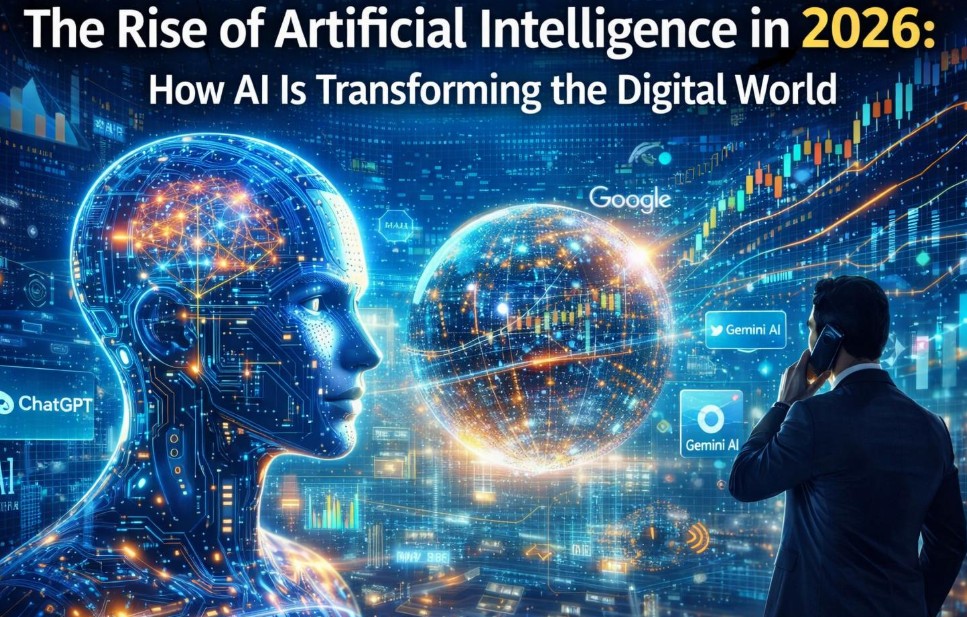
Artificial intelligence innovations in 2026 are reshaping Big Tech, digital platforms, and the global economy through advanced technologies and intelligent systems.
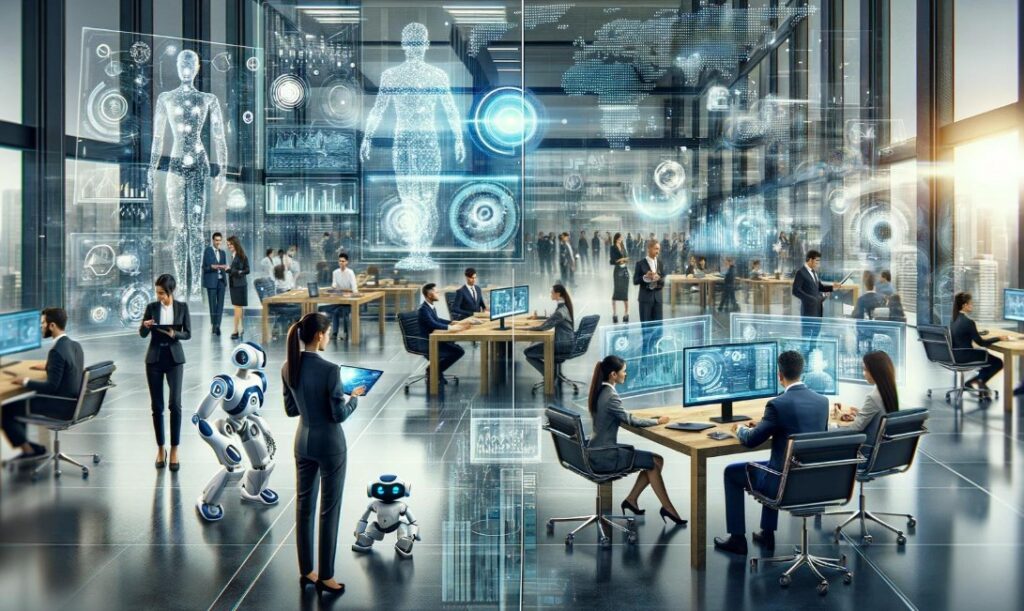
Generative AI is revolutionizing the workplace by enabling smarter collaboration, automating business tasks, and improving productivity through intelligent technologies.
Meta Description: Explore the rising significance of generative AI in business productivity and how it is shaping the future of work.
Focus Keyword: Generative AI
As we navigate the rapidly evolving landscape of technology, generative AI has emerged as a game-changer for businesses looking to enhance productivity. The current shift towards remote and hybrid working models has accelerated the adoption of AI-driven solutions. Companies are increasingly investing in generative AI to automate tasks, optimize workflows, and drive innovation. This transformation is not just a trend; it marks a fundamental change in how businesses operate.
Understanding the implications of generative AI today is crucial for leaders aiming to stay competitive in an increasingly digital economy. From generating content and designing products to analyzing complex data sets, the applications of generative AI are virtually limitless, shaping the future of work in profound ways.
Generative AI’s Role in Enhancing Business Efficiency
Generative AI is reshaping traditional business practices. For instance, companies like OpenAI and Google have pioneered tools that automate content creation and data analysis. OpenAI’s ChatGPT, employed by businesses for generating marketing copy and customer service responses, is greatly reducing labor costs and elevating engagement levels. Similarly, Google’s AutoML is enabling organizations to build tailored machine learning models without extensive coding expertise, paving the way for faster decision-making and improved operational efficiency.
This rise of generative AI is not just a technological upgrade; it fundamentally changes how tasks are approached. Organizations leverage AI to create prototypes swiftly and explore multiple design variations simultaneously. Brands like Nike are utilizing generative design to innovate product development, showcasing how AI can accelerate creativity while minimizing resource expenditure. The benefits are tangible: companies adopting generative AI report increases in productivity and significant time savings, which translates to a competitive edge in their respective markets.
The Broader Impact of Generative AI on Industries
The influence of generative AI extends beyond individual companies and has far-reaching implications across various sectors. The healthcare industry, for example, is exploring AI-driven diagnostics and personalized treatment options, aimed at enhancing patient care and operational effectiveness. In finance, firms are utilizing generative AI for predictive analytics, improving risk management and facilitating faster transactions.
However, the integration of generative AI also introduces challenges, including ethical considerations and the need for regulatory frameworks. As companies navigate this new landscape, the balancing act between productivity gains and potential job displacement must be urgently addressed. Investment in training and reskilling the workforce will be vital to harnessing the full potential of generative AI without leaving any employee behind. Hence, stakeholders from various sectors must collaborate to ensure that the benefits of AI technologies are equitably distributed and address societal concerns.
Looking Forward: The Future of Generative AI in Business
As the societal and economic ramifications of generative AI continue to unfold, the future looks promising yet complex. The drive for efficiency and innovation will likely lead more organizations to adopt generative AI solutions, requiring firms to stay updated with the latest advancements. Companies that prioritize understanding and integrating generative AI will find themselves at the forefront of their industries.
Investors and tech entrepreneurs should closely monitor generative AI trends and identify areas where AI can be most impactful. The discussions around scalability, training methodologies, and ethical application of AI technologies will shape the landscape moving forward. For users and businesses alike, embracing generative AI could lead to unprecedented productivity levels and a redefined work culture that favors creativity and agility.
Frequently Asked Questions
What is generative AI and how does it work?
Generative AI refers to algorithms that can create new content and solutions, typically using machine learning techniques. It works by analyzing vast amounts of data to produce outputs that mimic human creativity, such as images, text, and music.
How can businesses leverage generative AI for productivity?
Businesses can implement generative AI to automate repetitive tasks, enhance decision-making processes, and foster creativity through tools that generate content, designs, or data insights, ultimately increasing efficiency and collaboration across teams.
What are the risks associated with adopting generative AI?
While generative AI offers significant benefits, it also poses risks such as ethical concerns around data privacy, potential job displacement, and the challenge of ensuring the accuracy of AI-generated outputs. It’s essential for firms to develop robust governance frameworks as they integrate these technologies.